4 Methods I Use to Increase My Shopify Website Speed






Published May 18, 2024.

What I've learned from my Shopify experience is that it's very off-putting to visitors when the site speed stands in the way of a good user experience. As the website owner, it's your job to create an e-commerce store that complies with certain known practices, such as a mobile-friendly, fast-loading, and easy-to-navigate website, to improve user experience.
Below, I share the four methods I use to increase my Shopify website speed.
1. Optimize All of My Images
Images are often the largest files on my website, so they're a big contributing factor to its loading time. I optimize all of my product images by:
- Compressing the file size: By using image compression tools, I can reduce the file size without compromising the quality, improving image sizes for mobile and desktop.
- Resizing the images: Make sure the image is the appropriate size for its intended use.
2. Remove Any Apps I Don't Use
Unused apps slow down your site and may introduce security vulnerabilities. If you have too many apps installed, navigating and managing your store can be more difficult. I do a regular check and remove the apps I don't use. Where possible, I try to use apps that can perform multiple functions, so I only install one app instead of five.
3. Install a Lazy Loader
Lazy loading means that only important information is shown to your visitors first instead of forcing them to wait while the entire website loads. Since I've installed a lazy loader, my page load times have decreased while my visitor engagement and conversion rates have increased.
4. Go for a Speed-Optimized Theme
Give yourself an advantage from the start, and choose a speed-optimized theme when you create your website. Apart from improving your visitor's experience by loading pages faster (again, leading to increased engagement and conversion rates), it can also improve your search engine rankings since page speed determines your website's relevance.
Optimize Your Images and Website Speed With Egnition

Increase Your Website Speed With Optimized Images
Install AppFree plan
-
Yes
Packages
-
3 paid plans
Features
-
All features included in all plans
Credit-based operation
-
Credits don't expire
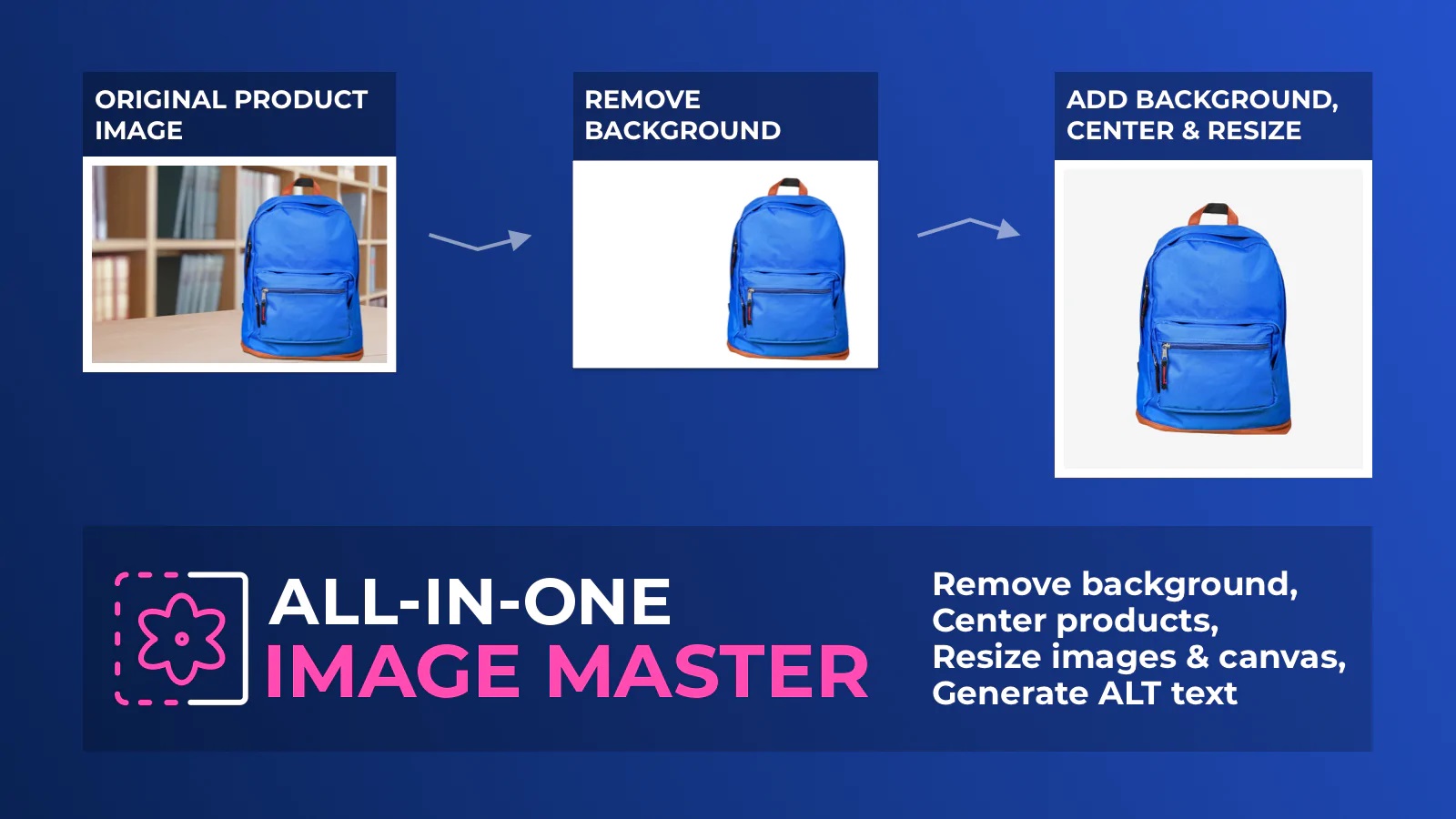
Of the methods I've just discussed, I've found that image optimization is the best way to boost your website speed. Luckily, it's easy to do this with the All-In-One Image Master app from Egnition, which helps reduce my image file sizes without significantly degrading their quality.
I can also bulk edit my inventory and images, whether it's compressing or resizing them or converting their formats. This automation feature has saved me so much time and effort. Finally, I was pleasantly surprised to find that the app also generates alt text for me, which also helps with my SEO. All-in-one indeed!
» Looking for other ways to improve the customer experience? Consider using sub-collections