Adding Shopify Collections Within Collections (+ Sorting Them Effectively Afterward)


See how nested collections and smart sorting can transform your Shopify store's organization.

Brody Hall
By Brody Hall
Viktorija Cosic editor profile picture
Edited by Viktorija Cosic

Updated August 19, 2024

Shopify store owner sitting at a desk in front of a computer managing handbag collections

Shopify doesn't have a built-in feature for creating sub-collections within parent collections, but there's a proven workaround using smart collections and product tags. Below, we explain how you can use this smart sorting method to enhance your customers' shopping experience.

» Learn more about the benefits of adding sub-collections within collections

Adding Sub-Collections on Shopify

Here's exactly how to create sub-collections on Shopify. It'll take about 15 minutes or less to set up and works perfectly for hierarchically organizing products.

Shopify doesn’t really have a built-in feature that allows for creating sub-collections within parent collections, there is a proven workaround that gives you the same result.

Here is exactly how to create sub-collections on Shopify using smart collections and product tags.

It’ll take you about 15 mins or less to set it up, and it works perfectly for hierarchically organizing products.

Step by step process:

1. Plan your collection hierarchy:

Before you start, you should map out your structure on paper, e.g, for a merchant who sells custom cakes via Shopify, might map it out as follows:

Parent collection: Houses all celebration cakes. While,

Child collection: Contains the distinct celebration cakes, so we know which is which, such as,

  • Wedding cakes (tag: wedding-cake).
  • Birthday cakes (tag: birthday-cake).
  • Anniversary cakes (tag: anniversary-cake).
Pro tip: Use lowercase tags with hyphens for consistency.

2. Tag your product:

The foundation of this system is tags. Here is how to add them:

From your Shopify admin, go to Products.

Click on a product you want to tag.

a screenshot of a product listing page

Scroll down to the Product organisation section.

In the Tags field, type your tag (example in step 1: wedding-cake).

Press Enter to add the tag.

a screenshot of a product description page

Then click Save.

The next step is to repeat this process for all products, assigning the appropriate tag to each one.

Time-saving tip: If you have so many products and find it tedious to add tags manually, use the bulk editor to add tags to multiple products at once.

3. Create your child collections (smart collections):

For each category, you’ll create a smart collection.

First, go to Products and Collections.

Click Add collection.

a screenshot of a cell phone with the settings highlighted

Enter a title (for example, “Wedding Cakes”).

Add a description (optional but good for SEO).

a screen shot of a website page with the wordpress button highlighted

Under Collection type, select Smart.

a screenshot of a product description page

In the Conditions section, set:

  1. Product tag ↝ is equal to ↝ (e.g wedding-cake).
a screen shot of a web page with buttons

Click Save.

Carry on to repeat this process for each child collection (Birthday cakes, Anniversary cakes etc.), using the corresponding tag for each.

What just happened? You created collections that automatically include any product matching tag. By adding a tag to a specific product, it instantly appears in the collection.

4. Create your parent collection.

Now for the master collection that includes everything:

Head over to Products and Collections.

Hit the Create collection button.

a screenshot of a cell phone with the settings highlighted

Write a title for the collection for example: “All celebration cakes”.

a screenshot of a website page with the add collection button highlighted

Select Smart for the collection type.

a screenshot of a product description page

In the Condition section, set up multiple conditions by clicking the +Add another condition button (make sure that Products must match is set to any condition): 

  1. Product tag ↝ is equal to ↝ wedding-cake.
  2. Product tag ↝ is equal to ↝ birthday-cake.
  3. Product tag ↝ is equal to ↝ anniversary-cake.
a screenshot of a website's settings

Hit Save.

This parent collection now automatically includes every product from all your child collections.

Next phase: Setting up your navigation menu:

Collections are completely useless and trivial if customers can’t find them. Here is a step-by-step process on how to add them to your menu with a dropdown structure:

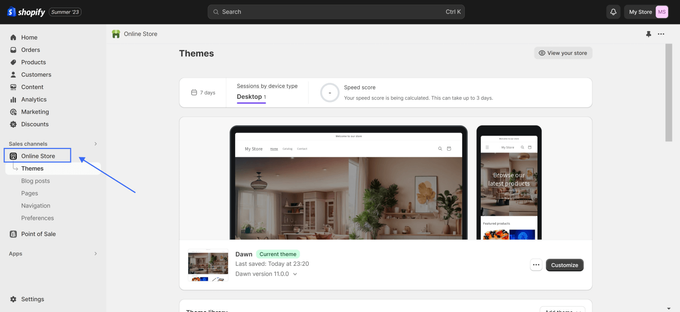
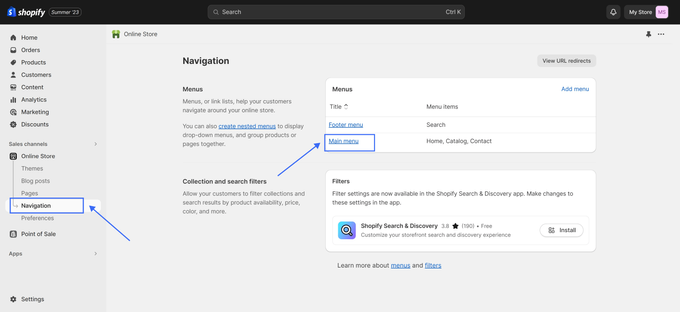
1. Navigate to menus.

  1. From your Shopify admin, go to Content, then Menus.
  2. Select Main menu or click on Create menu if you don’t have any menu yet.
a screenshot of a web page with a magnifying glass

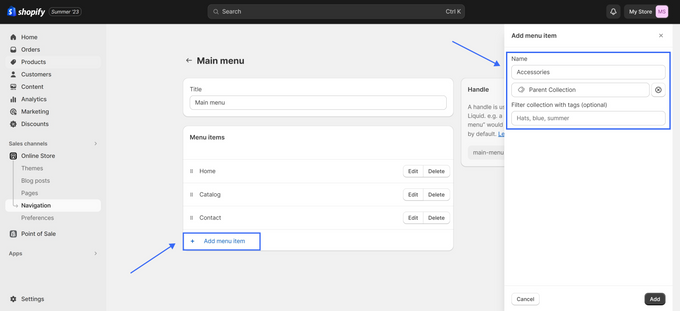
2. Add your parent collection.

  1. In the Name field, enter “Main menu” since it is the standard choice. (If you have a Main menu already, select it and start from step 2).
  2. Click Add menu item.
the add menu in the menu menu menu menu menu menu menu menu menu menu menu

Label (what customers see): "Celebration Cakes"

In the Link dropdown, select Collections.

a screenshot of a menu page with the add menu highlighted

Choose your parent collection.

a screenshot of a menu page with a link highlighted

Click Save.

3. Add child collections as nested items.

  1. Click Add menu item again.
  2. Enter the name of the child collection you want to add to the Label field. In this case, we’ll go with “Wedding Cakes”.
  3. In the Link dropdown, select Collections.
a screenshot of a menu page with a link link highlighted

Choose your child collection.

a screenshot of a menu page with the menu menu highlighted

Click Save.

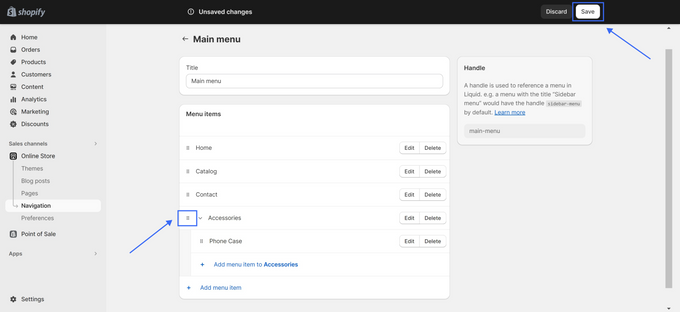
Drag this menu item underneath the parent collection to indent it.

a screenshot of a menu item for a wedding cake

Repeat the same process for other child collections, such as Birthday Cakes and Anniversary Cakes.

Result: Your navigation will now show the parent collection with a dropdown containing your various child collections.

Section 2: Sorting collections on Shopify. (This section should be about sorting a list of collections, not about sorting the products within a collection).

To control the order in which collections appear in your navigation menu, follow these simple steps:

  1. Head to Content, then Menus
  2. Click on the menu you want to edit (for example: Main menu)

In the Menu items section, click and hold the ⠿ handle icon beside each collection.

a screenshot of a birthday cake menu

Drag the collections to reorder them in your preferred sequence.

Click Save menu.

» Don't mix up Shopify categories with collections


Sorting Collections on Shopify

To control the order in which collections appear in your navigation menu:

  1. Go to Content Menus
  2. Click on the menu you want to edit (e.g., Main menu)
  3. In the Menu items section, click and hold the ⠿ handle icon beside each collection
  4. Drag the collections to reorder them in your preferred sequence
  5. Click Save menu

Sorting Products Within Collections

If you want to sort the products within individual collections, you have two options:

1. Manually Sorting Products
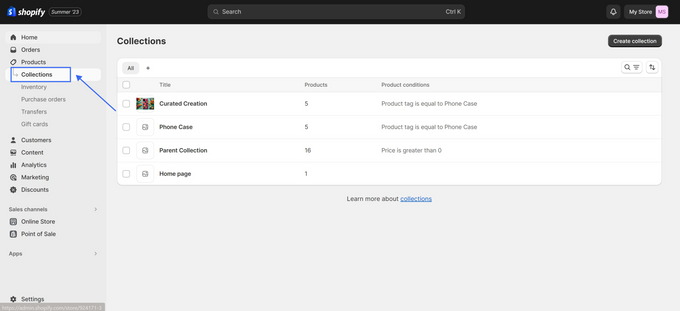
  1. Head to the Shopify Admin page and click on Products Collections
  2. Select a collection
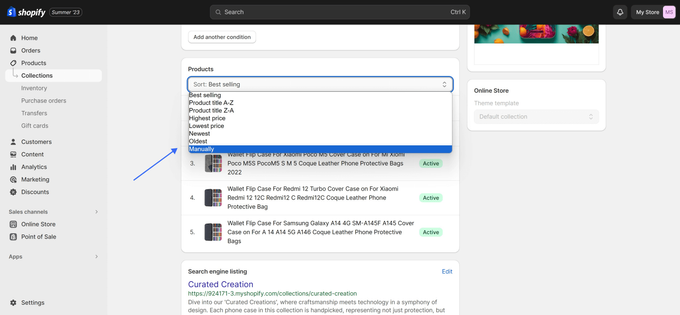
  3. In the Products section, click the Sort dropdown menu and select Manually
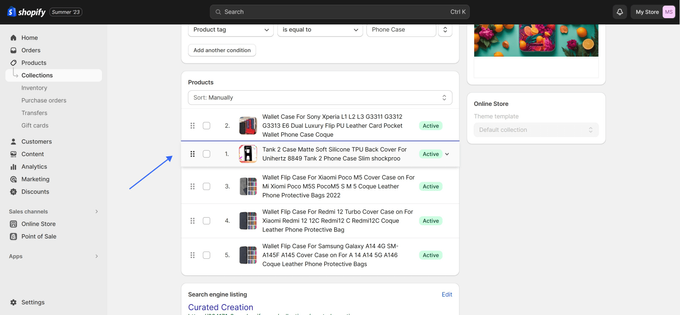
  4. Drag and drop the products to arrange them as you prefer, then click Save

» Trouble with invisible collections? Learn the fixes for missing collections and get your Shopify store back on track


2. Automatically Sorting Your Shopify Collections

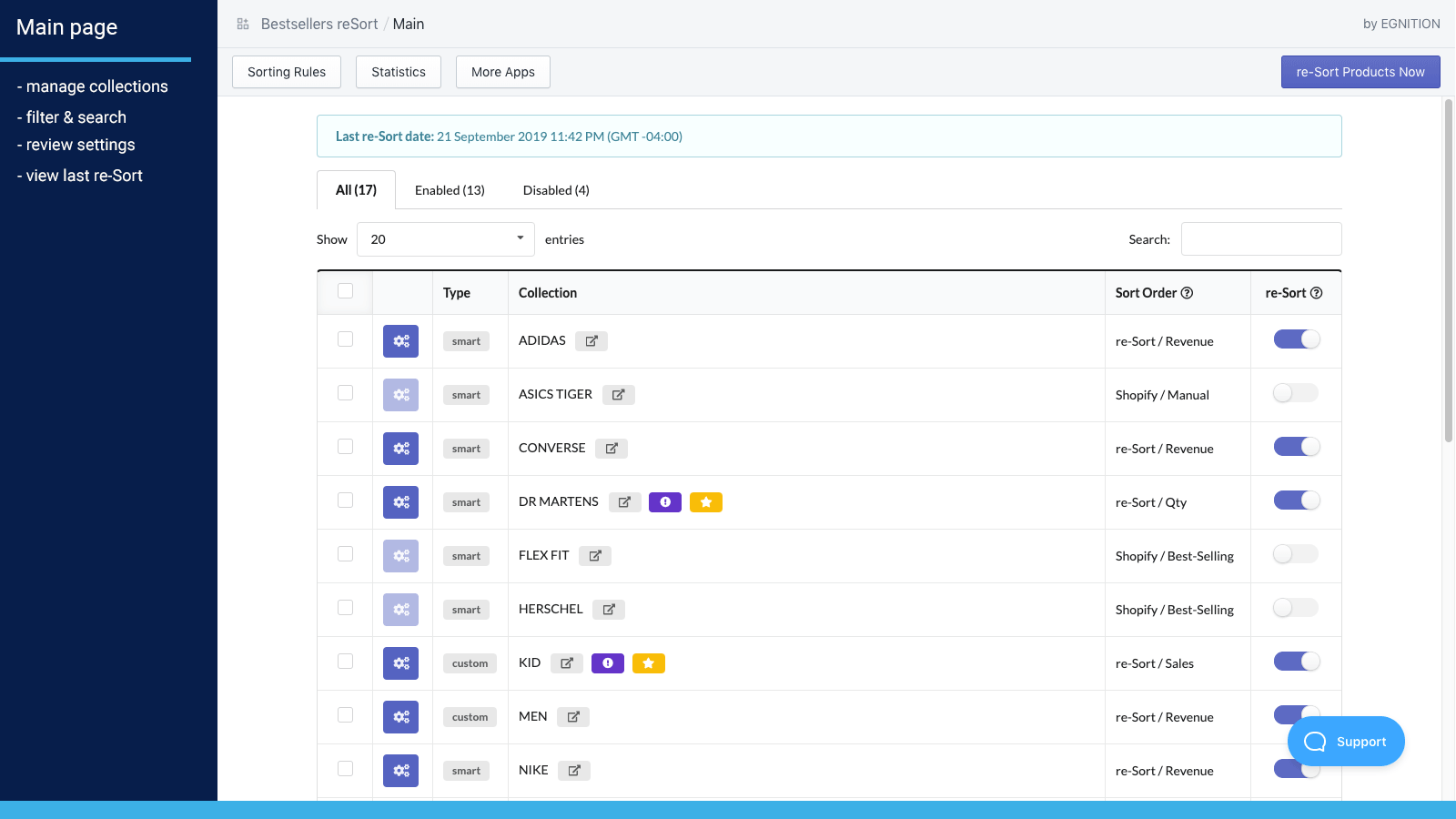
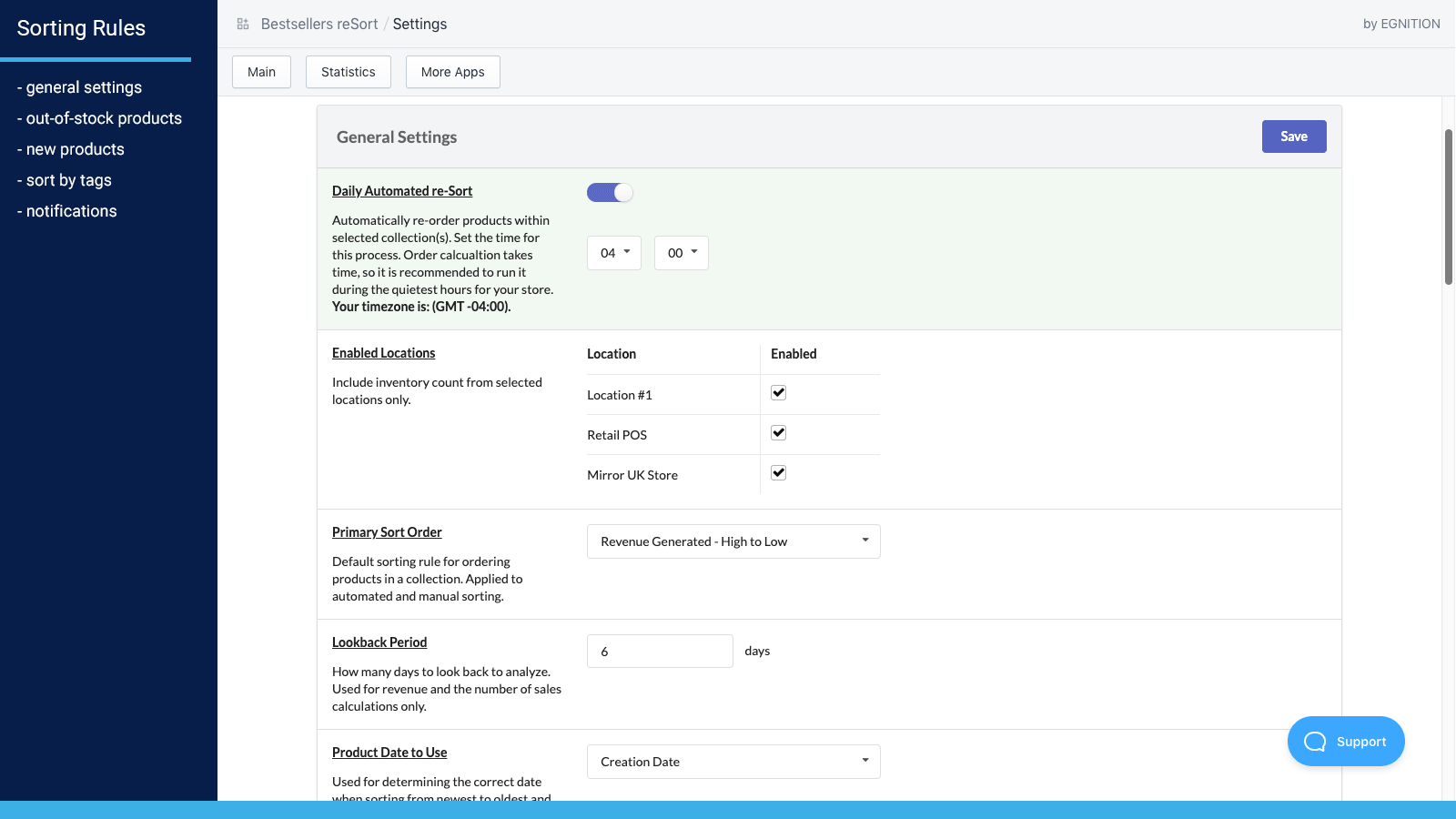
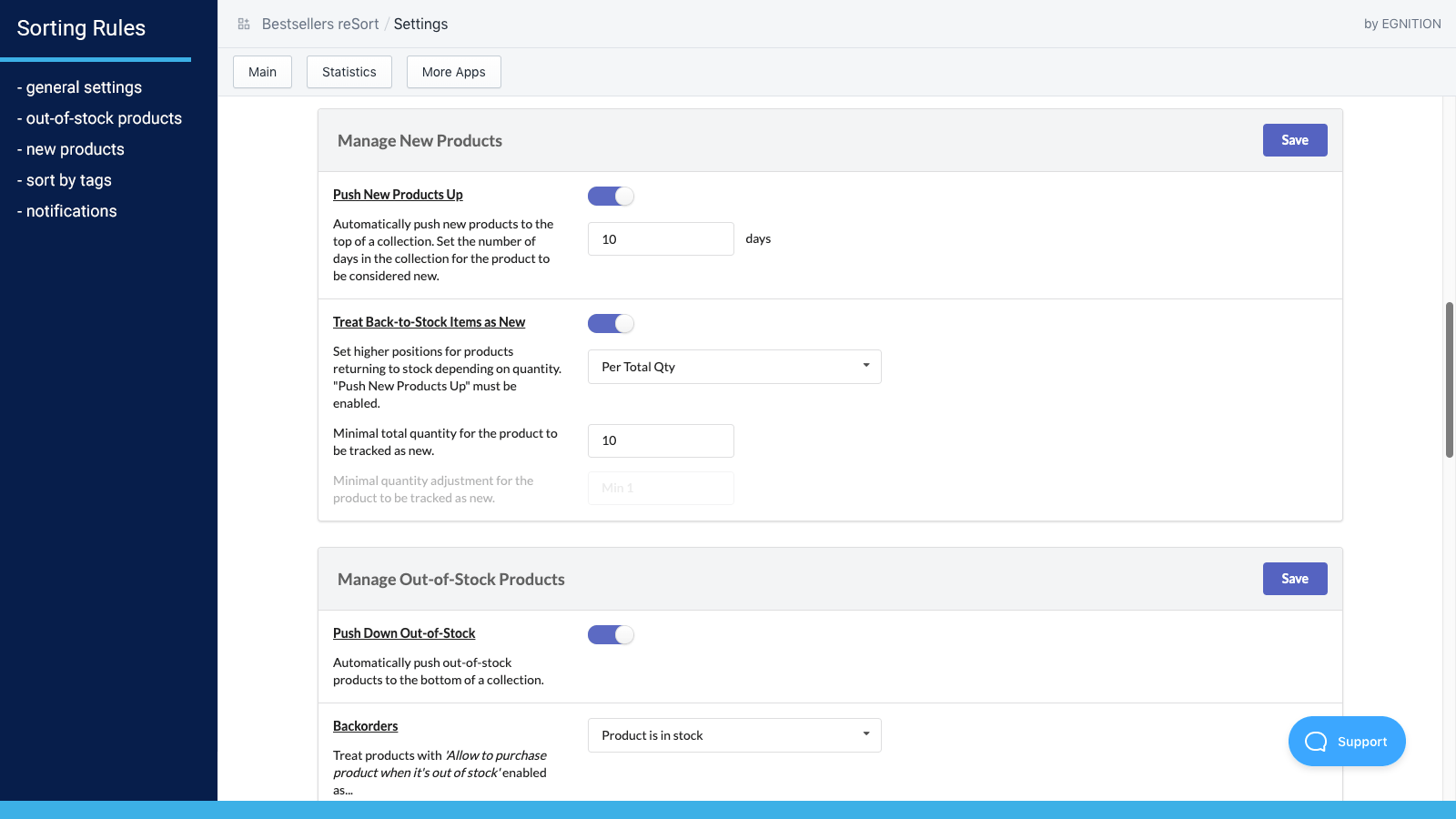
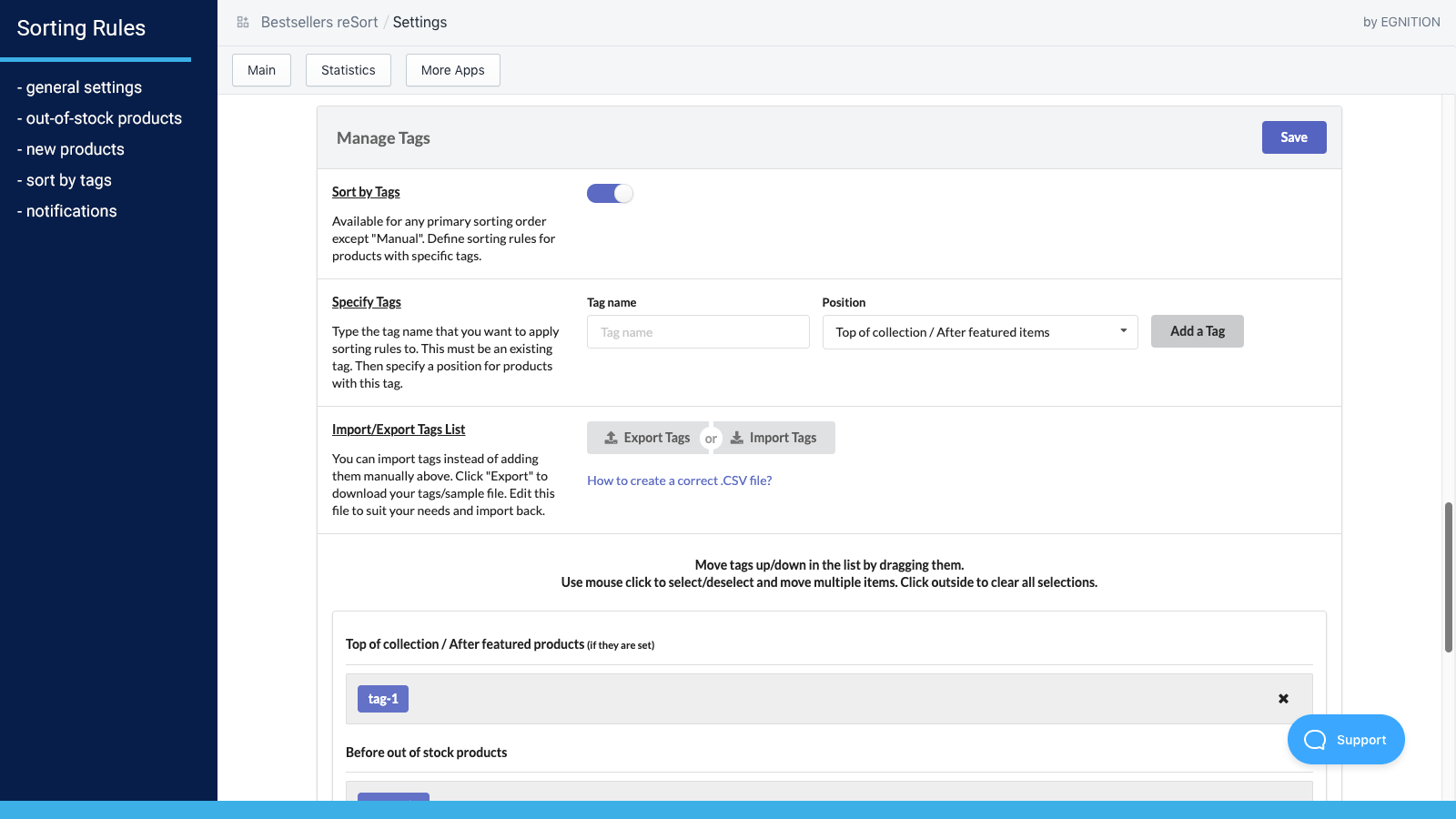
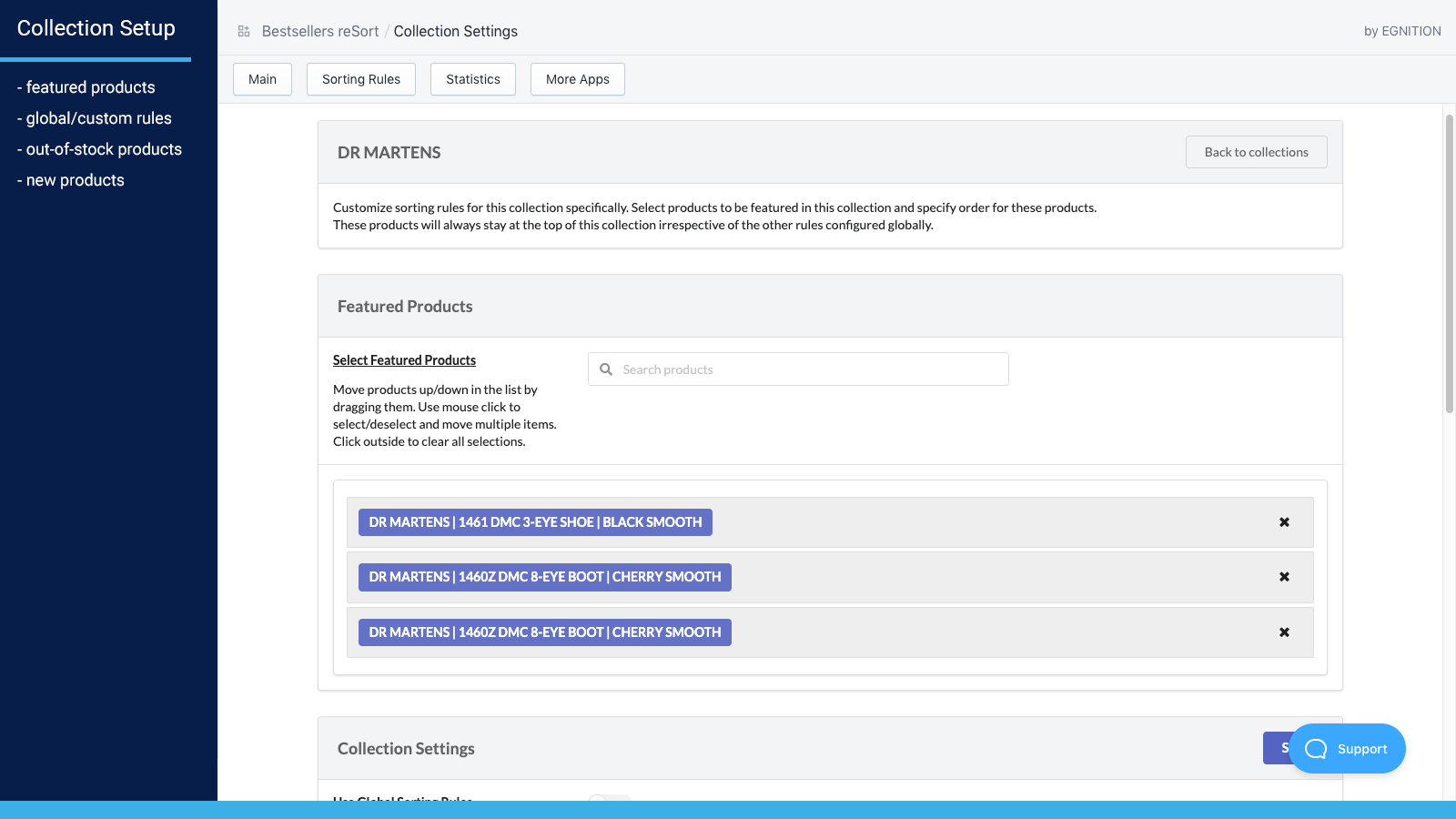
If you want to switch from manual to automatic collection sorting, consider Bestsellers reSort. This tool uses smart rules to keep your collections fresh and appealing to your audience. It lets you:

  • Highlight popular items automatically
  • Keep your inventory in check
  • Boost cross-selling opportunities

» Learn more about how this tool can help you create captivating collections by reading this Bestsellers reSort review

Easier Collection Sorting, Better Sales

Experience the benefits of automatic collection sorting with Bestsellers reSort.

Bring Your Products Together

Improving sub-collections and sorting can greatly enhance your Shopify store. It goes beyond simple organization; it's about crafting an intuitive shopping experience that encourages repeat visits. Whether you manually curate or prefer automated systems, these tools help present your products effectively.

Finding the right setup may require some trial and error. So, adjust your collections and sorting as you discover what resonates with your specific audience and store needs.

» Ready to refine your store's layout? Browse our inventory management tools and find the perfect fit for your needs