Multi-Store Inventory Management Apps: Enhancing E-Commerce Success
Discover the best apps for managing your inventory seamlessly across multiple stores.




Published June 23, 2024.

Running a network of online stores demands efficient inventory management. Unless you're willing to dedicate hours each day to tracking stock levels, order statuses, and shipping data, a reliable multi-store inventory app is indispensable.
Multi-store inventory apps help you streamline your operations across multiple sales sources and locations, such as marketplaces, e-commerce, retail, and wholesale.
These apps sync with shopping carts and backend systems, ensuring real-time insights into stock levels, order statuses, and sales trends. This blog post explores the significance of these apps and presents a selection of top-notch solutions.
Why Opt for a Multi-Store Inventory App?
Effective inventory management is pivotal for e-commerce businesses seeking strategic growth. By embracing a multi-store inventory app, you gain a competitive edge, effortlessly reaching a broader customer base irrespective of geographical barriers. The advantages are multi-faceted:
- Centralized management: Simplify inventory management across all locations with a centralized platform. Uniformity in information reduces complexity and ensures consistency.
- Real-time insights: Gain real-time visibility into stock levels and sales across your stores. This foresight prevents stockouts and optimizes replenishment.
- Effortless order fulfillment: Seamlessly fulfill orders with accurate inventory data. This not only boosts customer satisfaction but also reduces shipping times and costs.
- Informed decision-making: Detailed analytics empower businesses to make informed decisions about stock allocation, pricing, and growth strategies.
Best Multi-Store Inventory Apps for Your E-Commerce Business
1

Multi‑Store Sync Power
Sync and automatically update your stores
Pros and cons
Synchronized inventory management across multiple stores
Streamlines POS system across locations
Quality control over SKUs and barcodes
Cost-friendly monthly pricing
Outstanding customer support
Can have issues with syncing individual items
Configuration can be confusing for less tech-savvy users
Why We Chose It
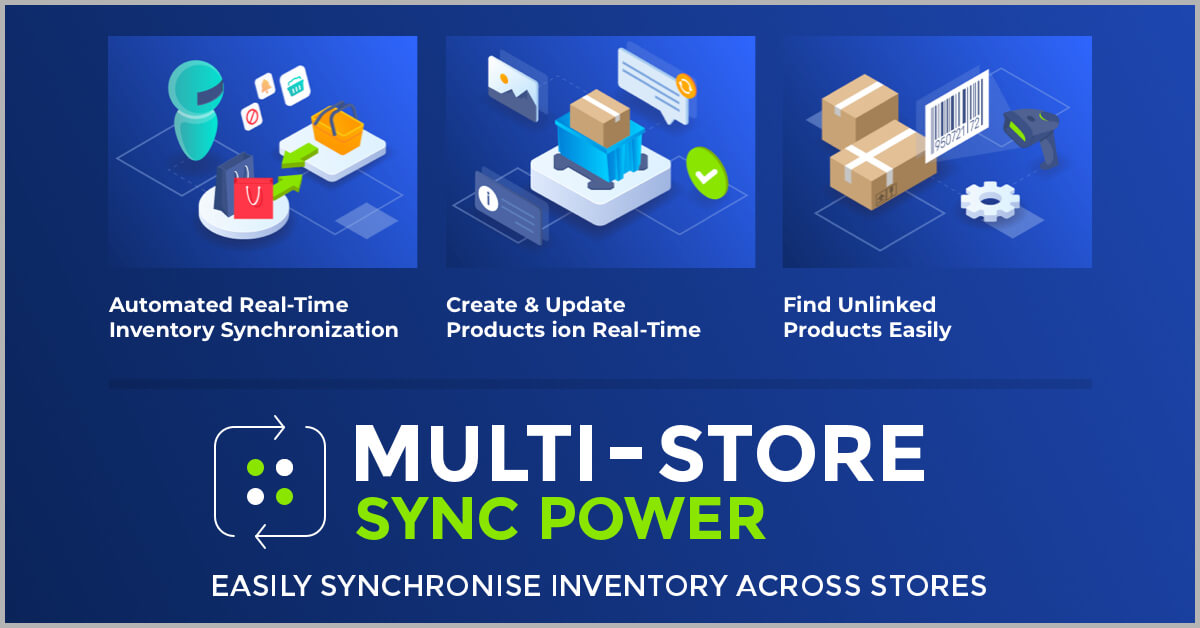
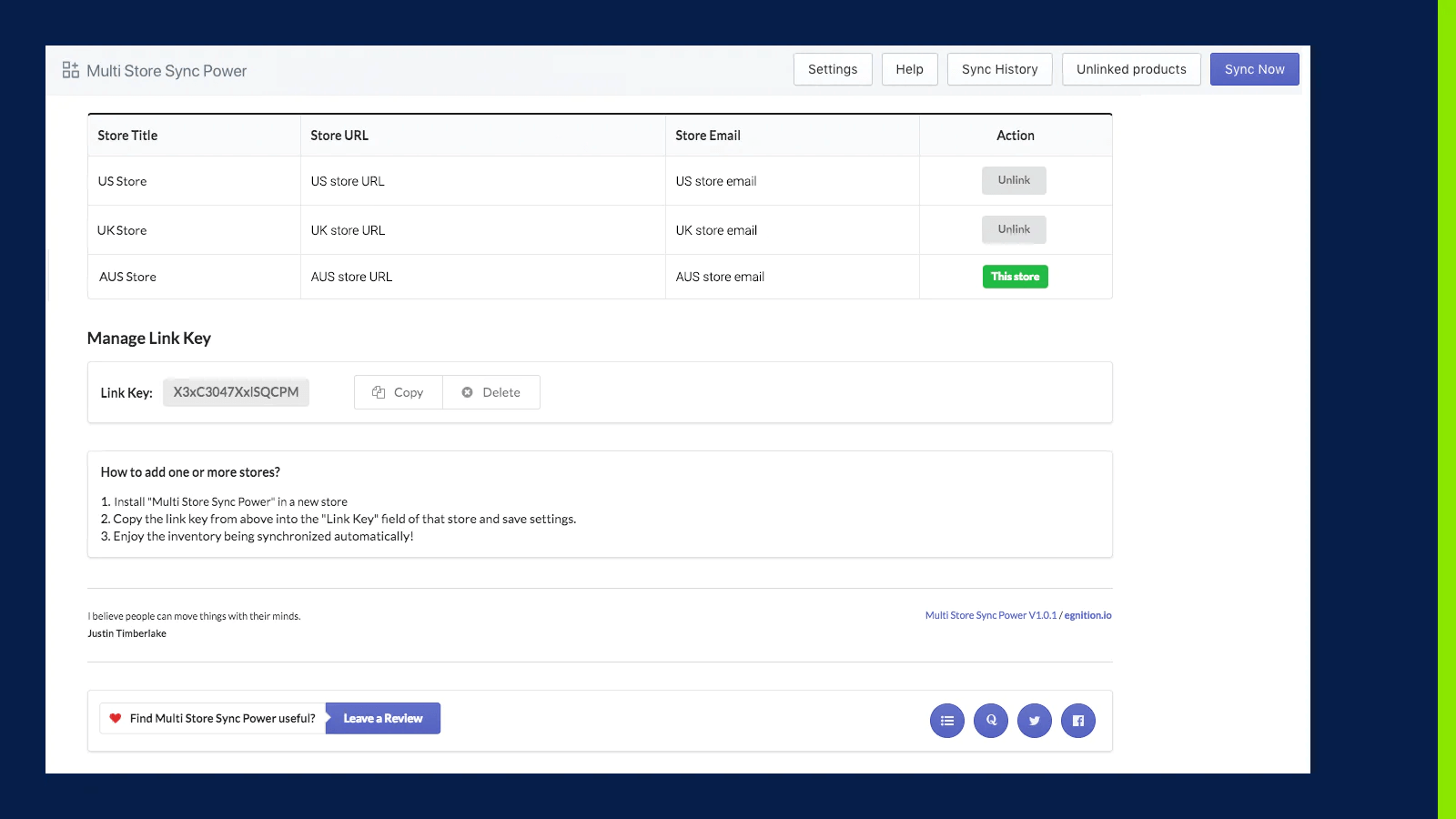
Multi-Store Sync Power acts as a central hub connecting your multiple Shopify stores. Catering to both B2B and B2C domains, its standout features encompass:
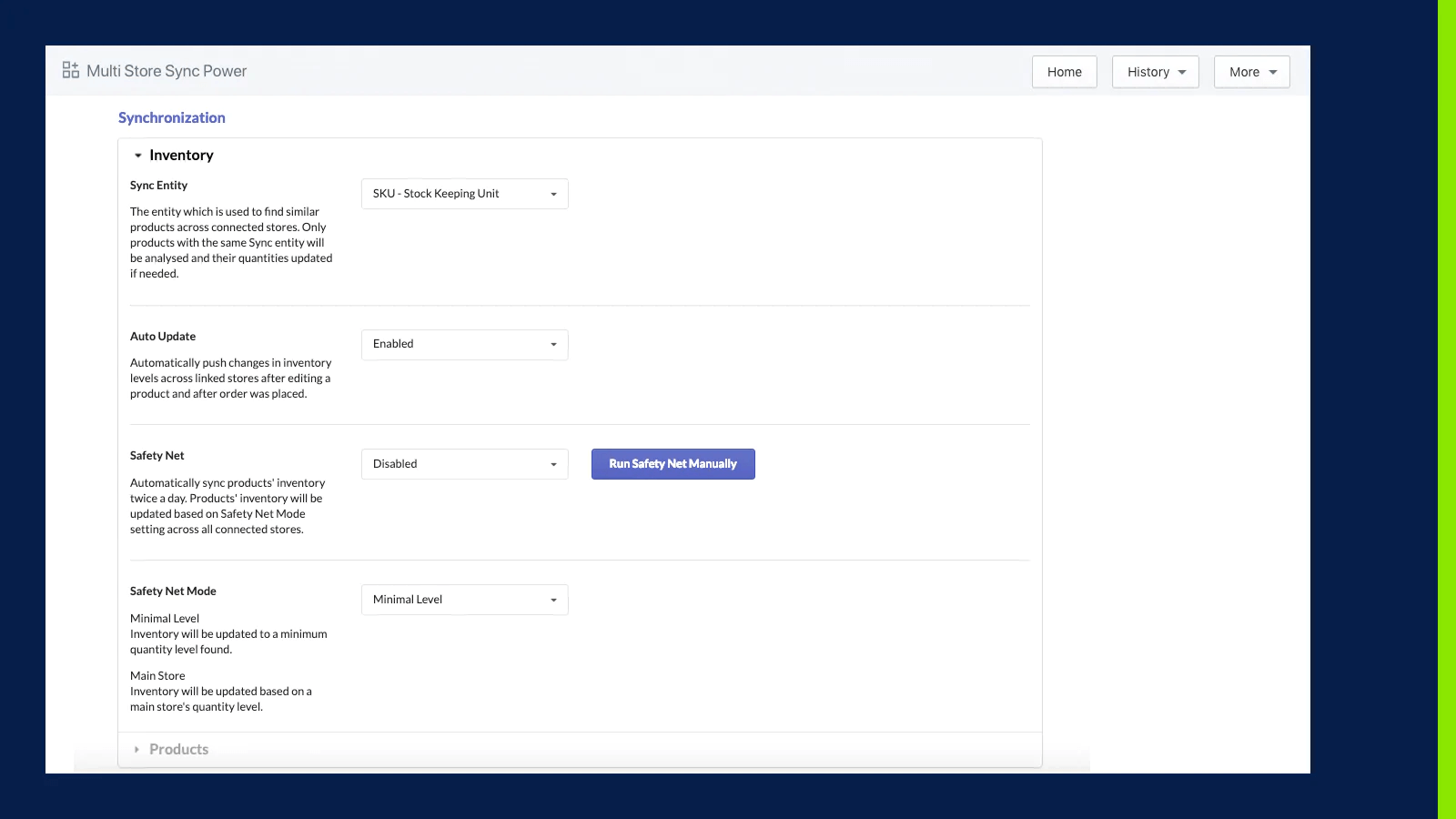
- Automatic inventory updates across linked stores
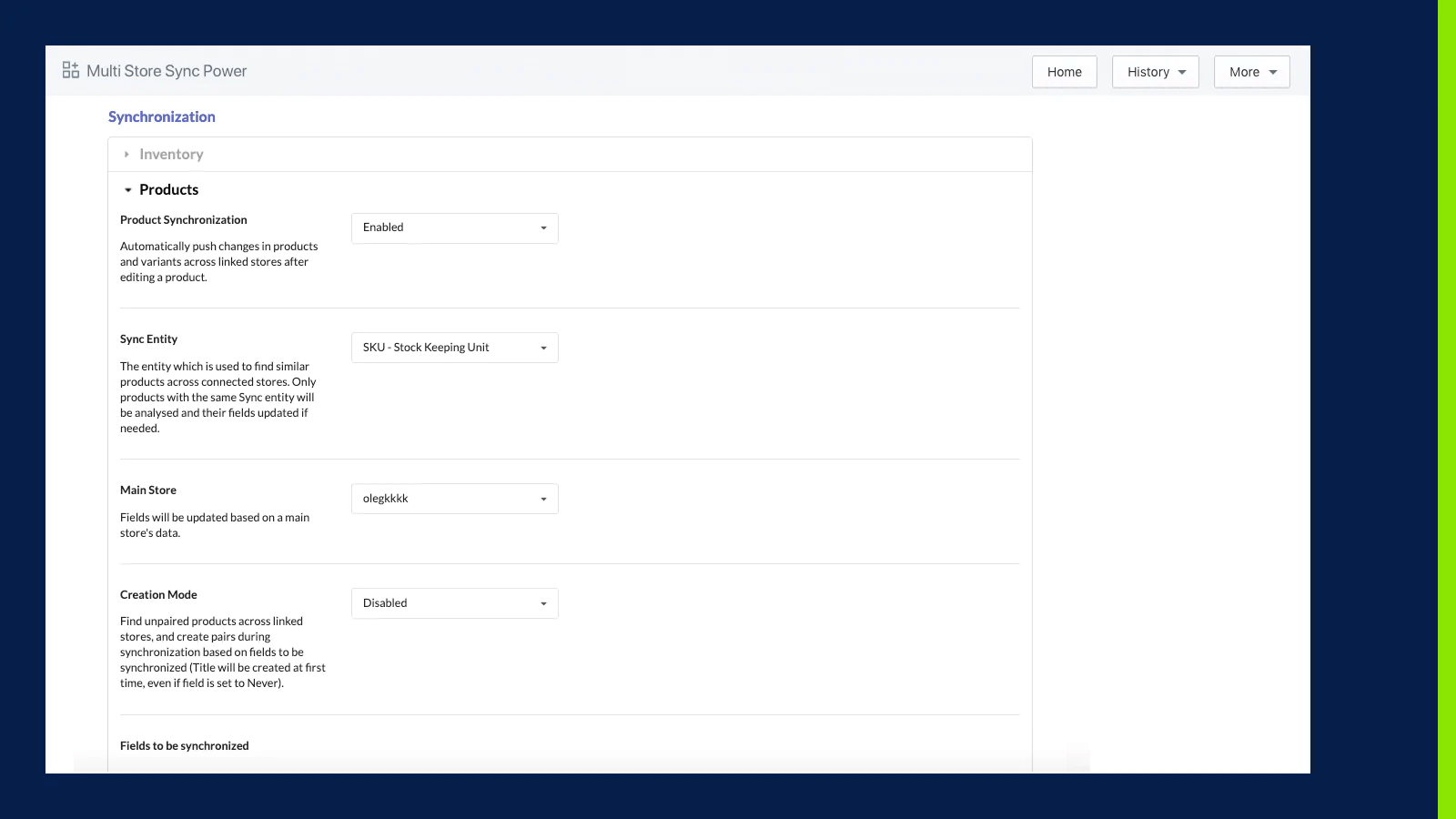
- Simultaneous creation and update of products and collections
- Maintenance of distinct pricing structures
- Alerts for missing or incorrect SKUs and barcodes
With detailed analytics, Multi-Store Sync Power equips you to track sales trends and optimize profits.
2

Out-of-Stock Police
Manage your products in real time
Pros and cons
Free package for up to 49 products
Easy-to-use interface
Customized sorting rules
Automated workflows to save time
Can have a slight learning curve
Expensive for the most advanced plans
Why We Chose It
Out-of-Stock Police excels in real-time inventory control across multiple stores. Its capabilities include:
- Custom rules to handle out-of-stock products in collections.
- Automatic tagging of out-of-stock items.
- Improved visibility and SEO for out-of-stock products.
- Alerts for timely reordering based on stock levels.
3

Bestsellers reSort
Custom sort your products in each store
Pros and cons
24/7 Support
Automated sorting
Free plan up to 49 products
Regularly updated
Pricing can be steep for premium plans
Moving products around can be slow at times
Why We Chose It
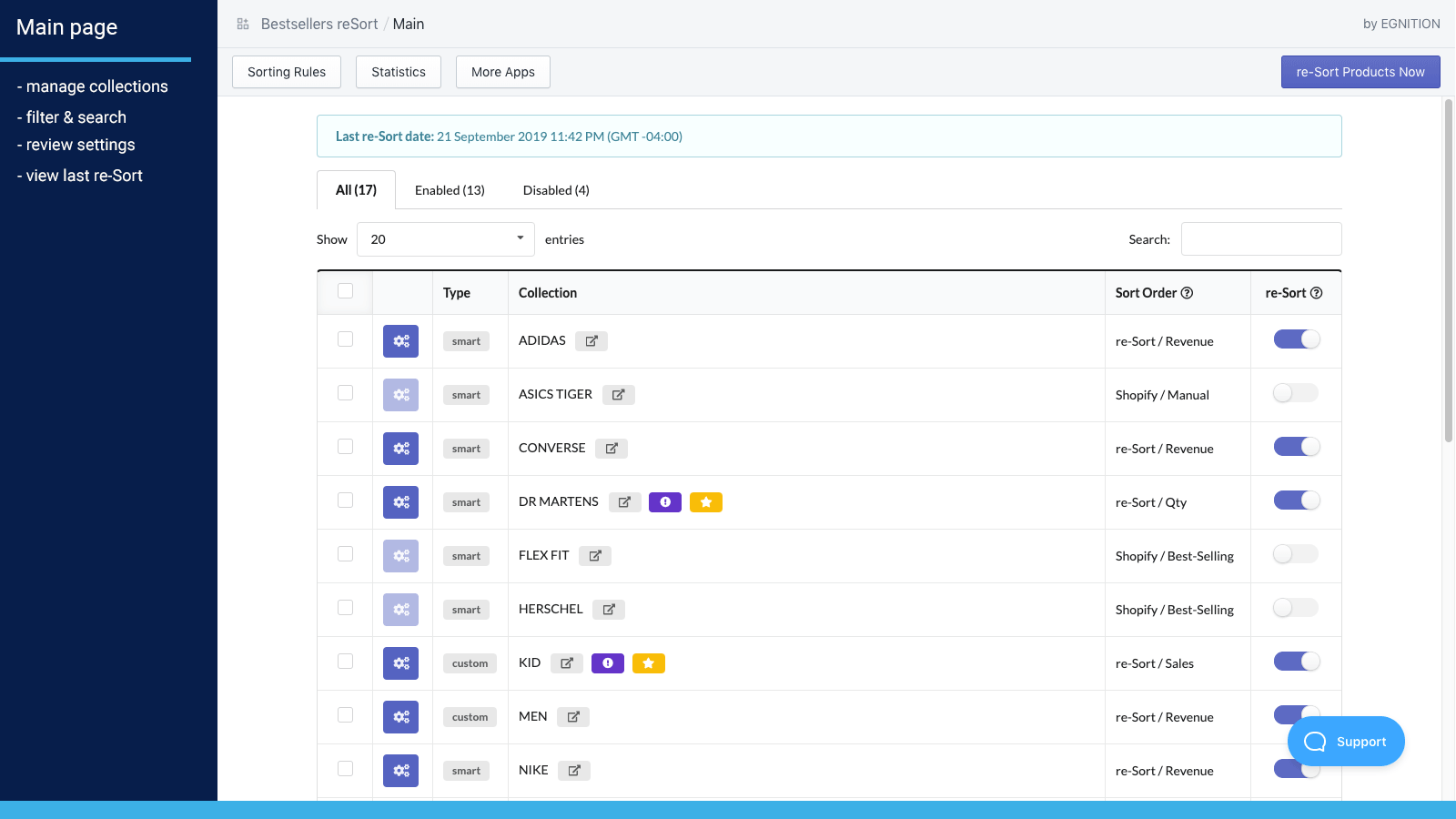
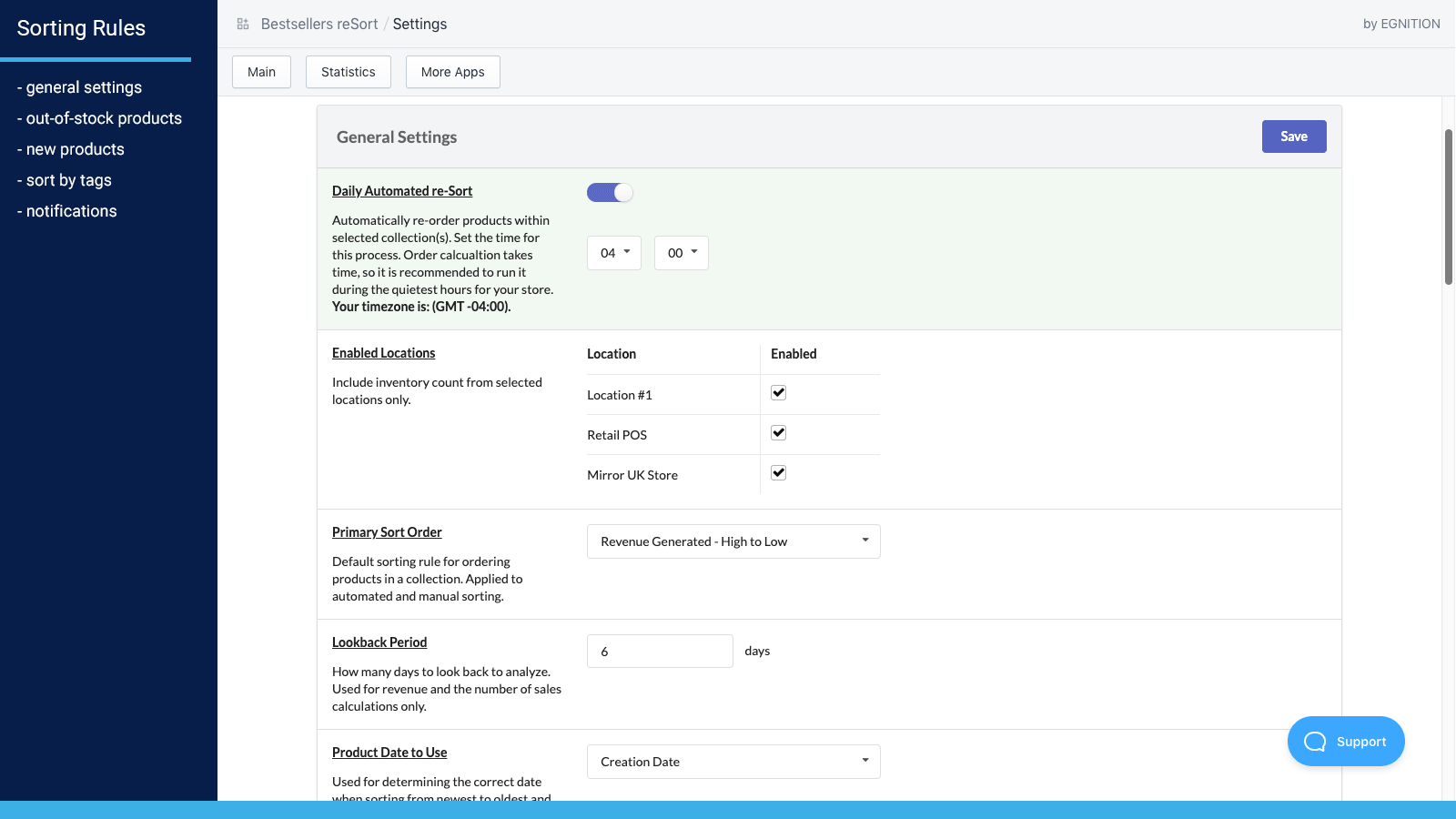
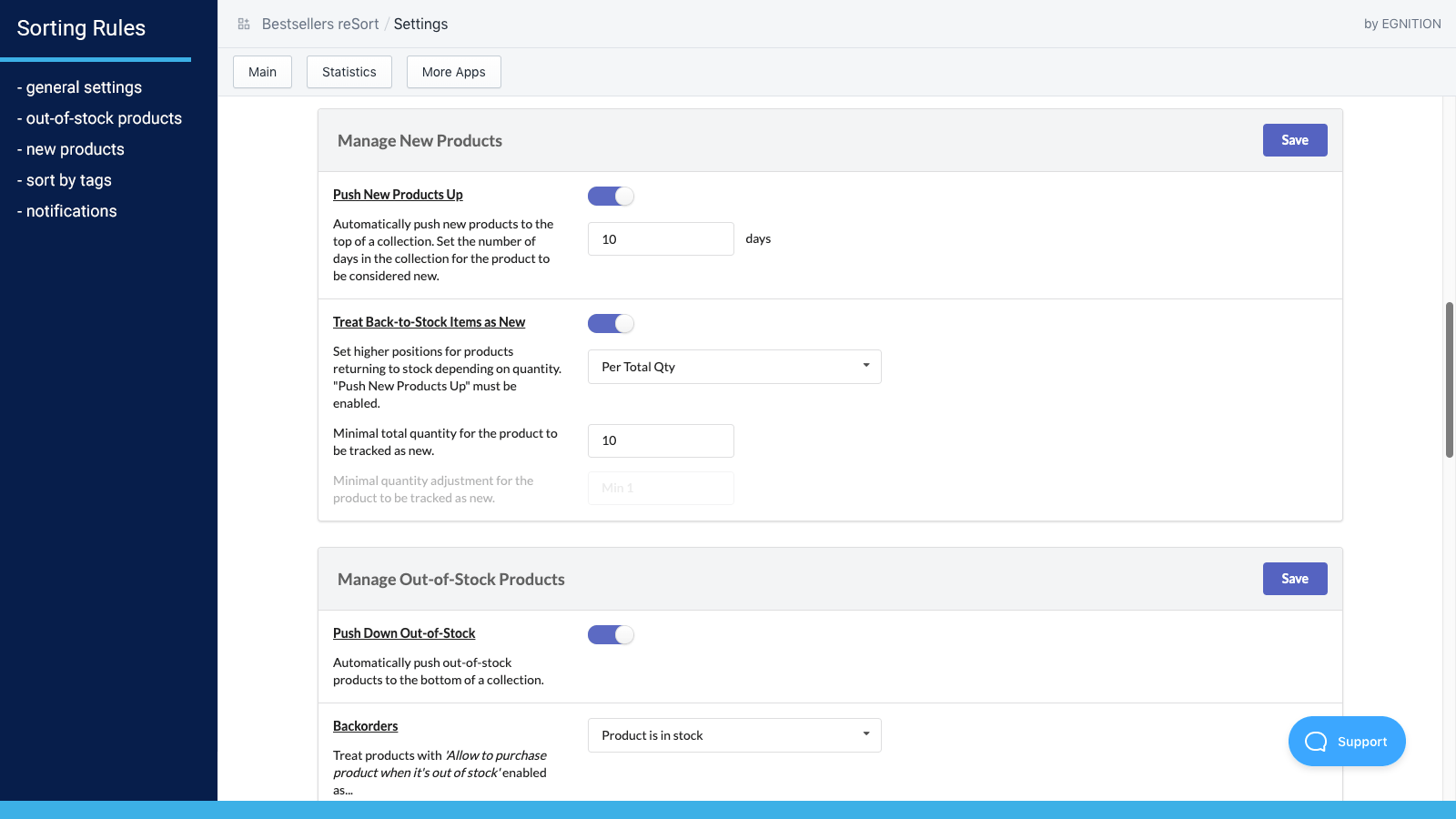
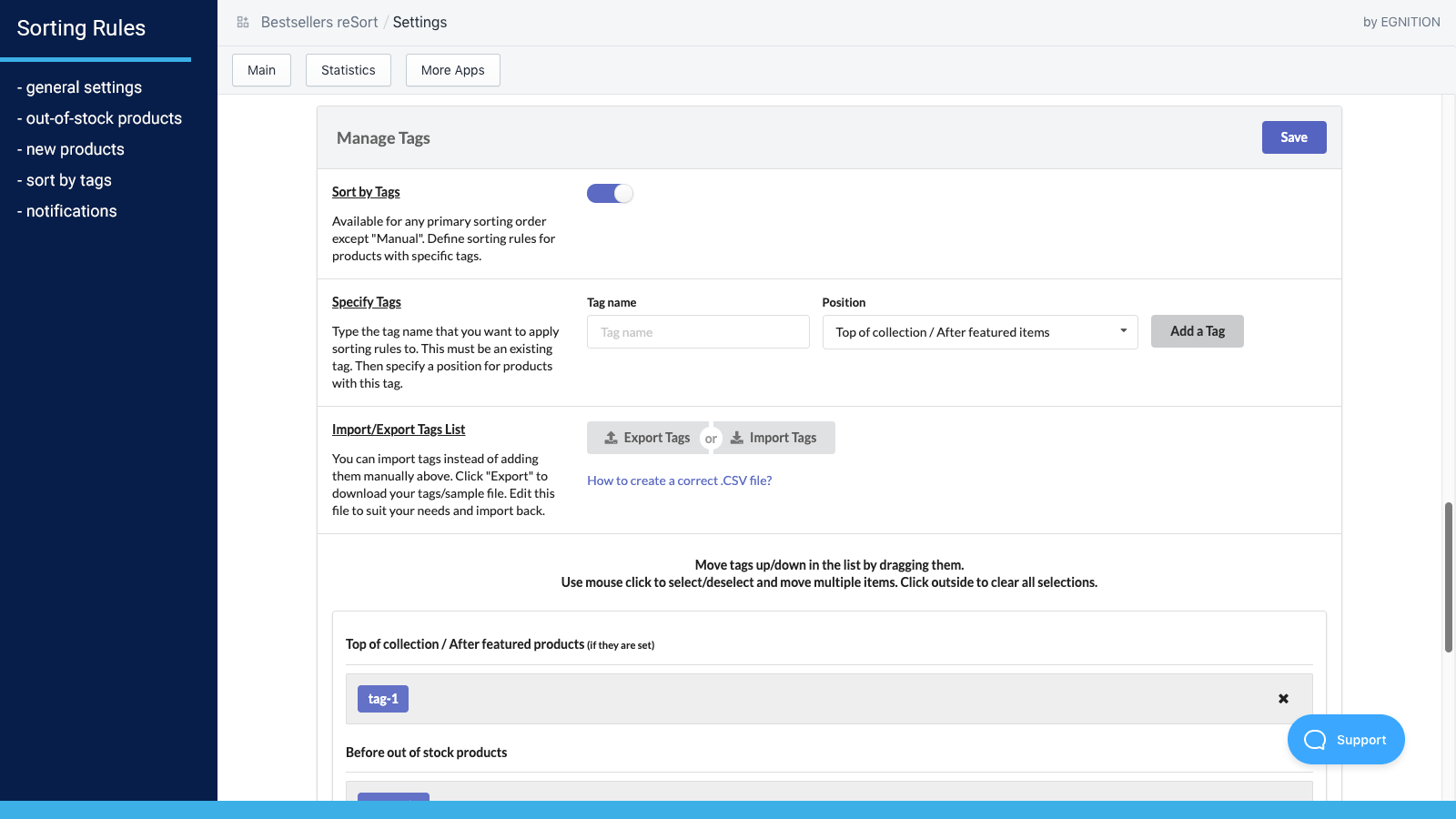
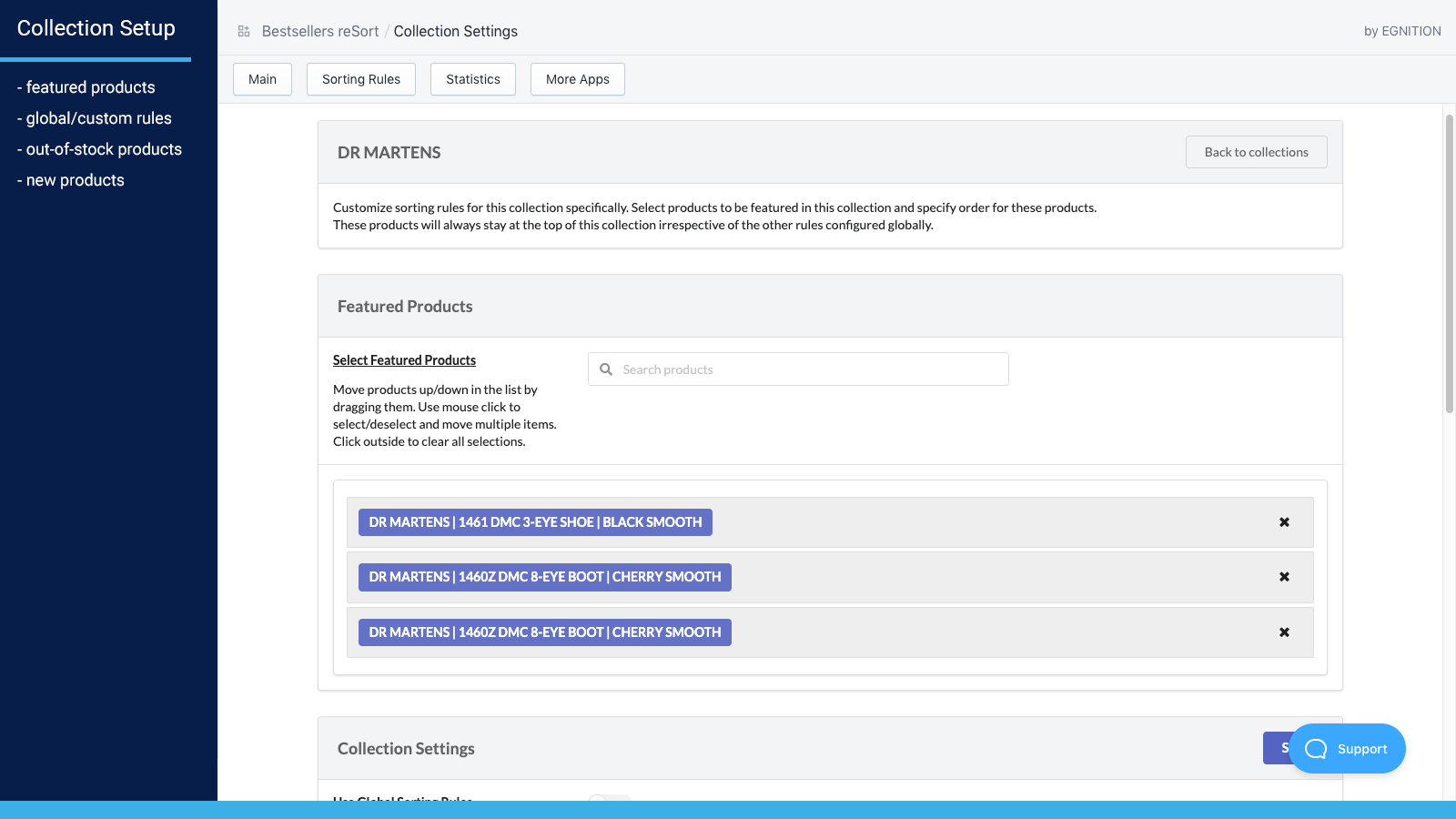
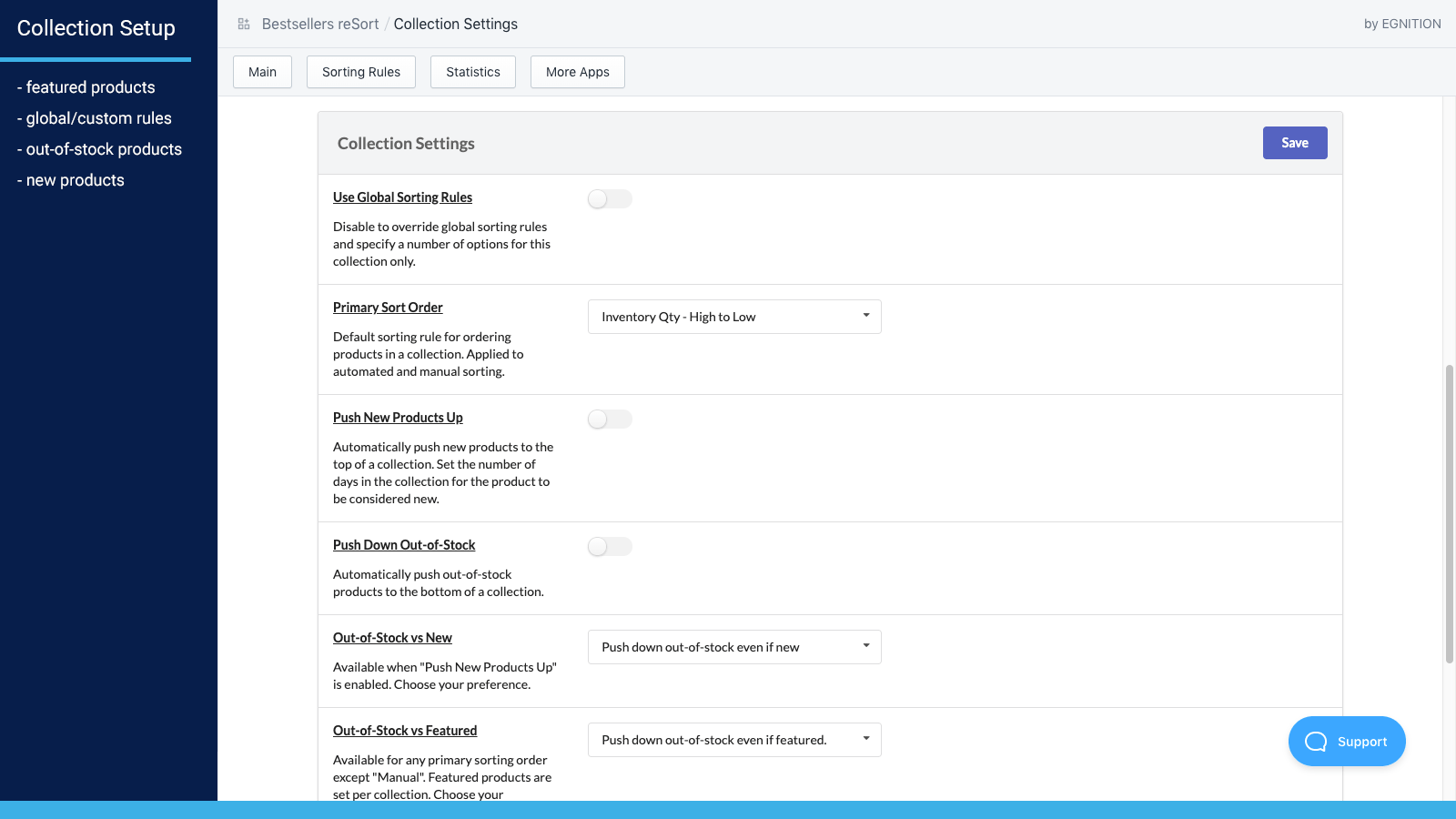
Bestsellers reSort offers advanced inventory organization for multi-store management. With its comprehensive set of sorting rules, you can tailor the order of products within collections across various stores. This capability ensures that each store's inventory is optimized to suit its target demographic, boosting sales potential and overall customer satisfaction. You can finely tune each store's inventory presentation for maximum impact by arranging products based on:
- Revenue
- Inventory
- Sales
- Bestsellers
- Views
- Creation or publish date
4

Simple Sample Data
Test each store fully before launching
Pros and cons
Free and paid versions available
Single-click data generation
Compatible with dev and paid stores
Outstanding customer support
Free version only available for dev stores
Why We Chose It
Simple Sample Data can help you fully test your development stores before launching them. This includes:
- Populating your store in one click with all or some of the features—products with images, orders, customers, smart and custom collections
- Choosing from 3 fully developed sample data themes
By providing accurate dummy data during store creation, you can create a standardized foundation for inventory management practices across multiple stores. This consistency simplifies the process of later implementing inventory management strategies.
Other Inventory Management Techniques
While multi-store inventory management offers a tailored approach to optimizing e-commerce strategies, it's equally valuable to consider the merits and limitations of other inventory management methods.
- ABC Analysis This method identifies the most popular and least popular stocks.
- Safety Stock An inventory management philosophy that prioritizes safety stock ensures that there is always spare stock reserved in case the business is unable to restock those items.
- Minimum Order Quantity To cut costs, a company that relies on minimum order quantity will order small amounts of merchandise from wholesalers in each purchase.
- Consignment When using consignment inventory management, a company withholds paying its supplier until a particular product is sold. Until the inventory is sold, that provider also retains ownership of the inventory.
Elevate Efficiency and Witness Business Flourish
As an e-commerce store owner, managing your inventory is crucial to the success of your business. With the increasing competition in the market, it's important to stay ahead of the game by streamlining your operations and improving efficiency.
A multi-store inventory app can help you achieve that and take your business to the next level. Overall, a multi-store inventory app is a powerful tool that can help you optimize your operations and improve your bottom line. Whether you're a small business or a large enterprise, investing in the right inventory management solution can make a world of difference for your e-commerce business.